Why Every Child Deserves to See Disability in the Books They Read
When books reflect the diversity of the real world, they help children develop empathy, kindness and a sense of belonging. Through stories like Huru & Maya – A New Friend, we can spark meaningful conversations about friendship, inclusion, and the simple truth that every child deserves to see themselves and others represented in the pages of a book.
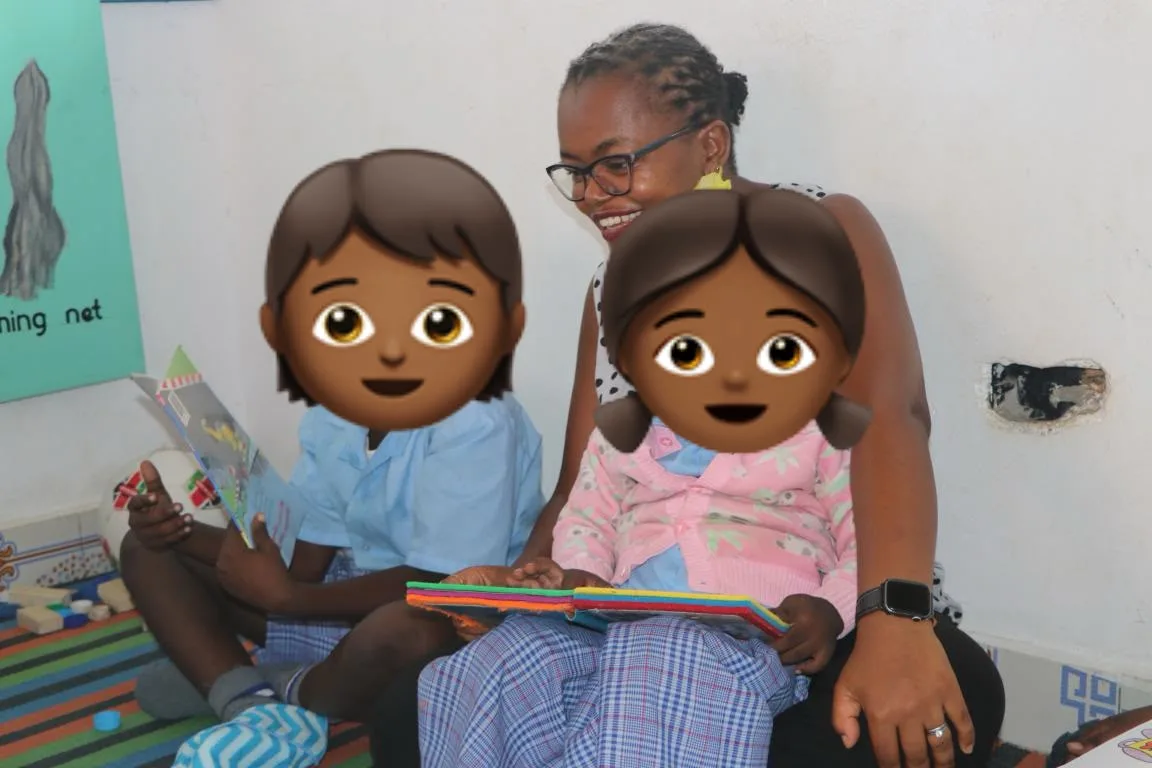
Children begin forming ideas about the world from a remarkably young age. They notice differences, ask questions and learn how to respond by watching the adults around them. But they also learn through the stories they hear.
Books have the power to introduce children to people whose lives may be different from their own. When those stories reflect the diversity of the real world, they help children understand that difference is something to appreciate rather than fear.
Unfortunately, disability is still underrepresented in children's literature. Yet for millions of families, disability is simply part of everyday life. Children with disabilities laugh with friends, go to school, enjoy games, celebrate achievements and dream about the future, just like every other child.
That is why representation matters.
When children with disabilities see themselves reflected in books, they receive a simple but powerful message: your story matters too. At the same time, children without disabilities grow up seeing inclusion as something ordinary, helping them develop empathy, confidence and kindness from an early age.
This is the thinking behind Huru & Maya – A New Friend. Rather than making Down syndrome the focus of the story, Huru & Maya invites readers to get to know Huru as a child first, a friend, classmate and playmate whose experiences are both unique and relatable. Through friendship and everyday interactions, the story encourages children to think about belonging, kindness and including others.
We have seen the impact of this during Beyond 47's reading sessions in schools. Children rarely finish the story talking about Down syndrome. Instead, they talk about friendship, fairness and what they would do if someone was left out. Those conversations remind us that stories can nurture empathy in ways that facts alone cannot.
Helping Conversations Grow at Home
Whether you are reading a story about disability, culture or any other form of diversity, books can be a wonderful starting point for meaningful family conversations. Here are a few simple ways to make story time even more impactful:
x Ask open-ended questions. Instead of asking, "What happened?", try questions such as, "How do you think that character was feeling?", "Why do you think they acted that way?" or "What would you have done?" These conversations help children develop empathy and see situations from another person's perspective.
x Celebrate similarities as well as differences. Encourage children to notice what characters have in common before discussing what makes them different. This helps reinforce the idea that everyone shares the same need for friendship, kindness and belonging.
x Welcome questions with honesty and curiosity. Children are naturally curious. If they ask about disability or another difference, answer in a calm, age-appropriate way. If you don't know the answer, treat it as an opportunity to learn together.
x Look for real-life connections. After finishing a story, encourage your child to notice examples of kindness, inclusion and respect in their everyday life. Ask how they can help others feel welcomed at school, on the playground or in their community.
Stories may take only a few minutes to read, but the conversations they inspire can shape how children understand and relate to others for years to come.
At Beyond 47, we believe inclusion begins in everyday moments, including the stories we share with our children. Through Huru & Maya, we hope more families, teachers and schools will discover that books are not just about learning to read, they are about helping children grow into compassionate, confident individuals who understand that everyone deserves friendship, respect and a place to belong.