More Than a Story: Liz Kabuage on Creating the Huru & Maya Series
Stories have the power to shape how children see themselves and the people around them. In this feature, Liz Kabuage reflects on the journey behind Huru & Maya – A New Friend, the growing collection of Huru & Maya resources, and her vision for helping raise a generation that embraces friendship, understanding and inclusion.
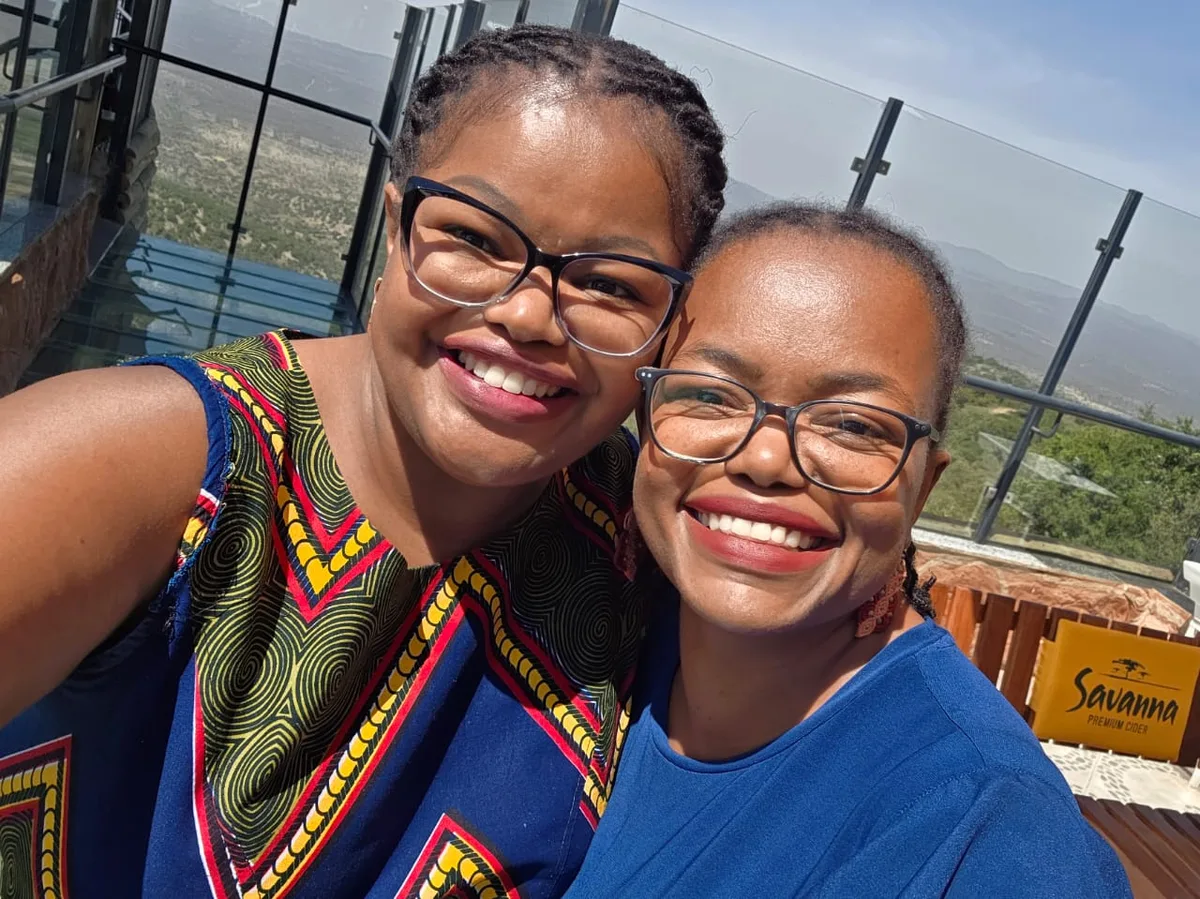
When Liz Kabuage talks about Huru & Maya, she isn't simply talking about children's books. She is talking about the kind of stories that shape how children see the world, how they treat one another, and how they come to understand that differences are something to embrace rather than fear.
The inspiration began at home.
"Huru and Maya were inspired by my own children, one of whom has Down syndrome," Liz says. "Their everyday interactions with friends at school, in the community and during play showed me both the kindness children are capable of and the opportunities we have to help them better understand difference. Those moments became the inspiration for stories about friendship, inclusion and belonging."
Those moments eventually became Huru & Maya – A New Friend, the first title in a growing series of books and learning resources co-authored by Liz and her younger sister, Jane.
Rather than focusing on disability itself, the story centres on something every child understands: making friends.
"We wanted Huru and Maya to feel like children you might meet anywhere in Kenya," Liz explains. "Their story isn't about disability. It's about friendship, curiosity and the everyday moments that help children understand one another."
"I've always believed that stories can shape children's thinking in a way that facts alone cannot," she continues. "When children become immersed in a story, they naturally begin to see the world through someone else's eyes. That perspective can stay with them for a lifetime."
Set on the beautiful Kenyan coast, Huru & Maya – A New Friend introduces readers to Huru, a young boy with Down syndrome, and Maya, who shows what friendship and inclusion can look like through simple everyday moments. The story gently opens the door to conversations about kindness, empathy and belonging without ever feeling like a lesson.
For Liz, one of the greatest hopes is that the books encourage curiosity.
"I hope that when a typically developing child reads the story, they become curious about differences and feel comfortable asking questions in a safe way. Children are naturally curious, and that's something to celebrate. Through the story, I hope they realise that differences are okay and that friendships don't depend on everyone being the same."
Representation was equally important.
"So few African children with Down syndrome see themselves reflected positively in storybooks," she says. "I hope a child with Down syndrome can pick up one of our books and recognise themselves in Huru, not as someone defined by their diagnosis, but simply as a child who plays, learns, dreams and belongs."
The series is far more than one book. Already planned are two additional stories, The Dance Lesson and Reading Day, each exploring different aspects of friendship, confidence and inclusion through relatable childhood experiences.
Behind every title sits careful research.
Liz's co-author, Jane, brought extensive experience as a researcher to the project. Together, they ensured that every story was shaped not only by lived experience, but also by the voices of families raising children with Down syndrome.
"Jane really led that research," Liz explains. "She engaged with families in Kenya and the UK, listened carefully and helped synthesise what they were telling us. Parents shared what they were proud of, what they wished more people understood, and what they hoped the wider community would see in their children. That became the foundation for the themes we explore in each book."
The collaboration also has a personal dimension.
"Jane is my younger sister," Liz smiles. "Working together has been incredibly special because we each bring different strengths. I bring the lived experience as a parent, while Jane brings a researcher's ability to identify common themes and translate them into meaningful resources."
The books have also become the foundation for a growing collection of resources. Alongside the Huru & Maya stories, the sisters have developed emotion cards to help children recognise and talk about their feelings, activity books that reinforce learning through play, and most recently, Huru & Maya: My Tides & Me, a guided journal for children aged 8 to 12 that helps them reflect on their emotions, celebrate small victories and navigate the changing tides of growing up.
"Every resource starts with the same question," Liz says. "'What would genuinely help children and families?' We want to create tools that encourage meaningful conversations and build understanding, whether that's in the classroom, at home or within the wider community."
Although the stories are rooted in the beauty and warmth of Kenya's coast, their themes of friendship, curiosity and belonging are universal.
Looking ahead, Liz has an even bigger dream.
"My prayer is that one day Huru and Maya become an animated series. Television has an incredible ability to reach children everywhere. Imagine a generation growing up watching stories where seeing children with Down Syndrome and inclusion is simply normal. That's the dream."
For now, however, the focus remains on getting the books into the hands of children, families and schools, one story at a time.
If there is one thing Liz hopes readers take away, it is simple.
"I hope people remember the name Huru & Maya – A New Friend. More than that, I hope they know there are resources available to help children learn about friendship, kindness and inclusion. Small conversations today can help build a generation that sees differences with understanding rather than fear."
Every child deserves to see themselves in a story, and every child deserves stories that help them understand someone else's. Through Huru and Maya, Liz and Jane hope to nurture a generation that chooses curiosity over judgement, kindness over exclusion, and friendship over fear.